Hardscaping in Coastal Environments: Designing Durable Outdoor Structures in St. Petersburg, FL
August 3, 2026|
Outdoor spaces have become an essential extension of residential and commercial properties, serving as places for relaxation, entertainment, recreation, and everyday living. In coastal communities like St. Petersburg, Florida, well-designed outdoor environments not only improve a property’s appearance but also enhance functionality and long-term value. However, designing these spaces requires more than attractive materials and creative layouts. Coastal landscapes face unique environmental conditions, including salt-laden air, high humidity, heavy seasonal rainfall, fluctuating groundwater levels, and occasional tropical storms, that can significantly affect the durability of outdoor structures. 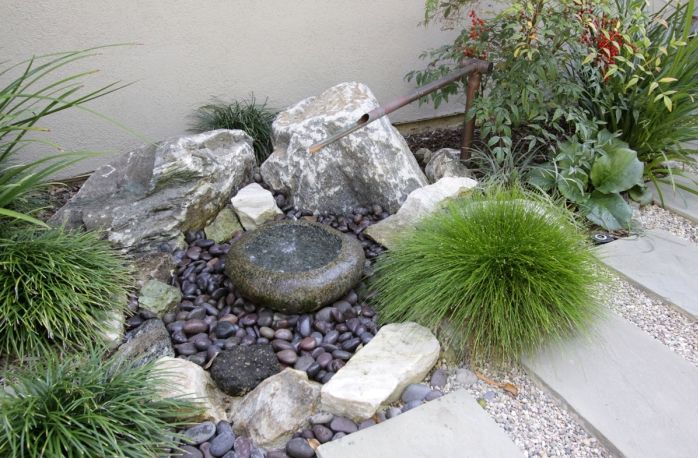 Hardscaping provides the structural foundation that helps landscapes withstand these challenges. Features such as patios, walkways, retaining walls, pavers, decorative stonework, and outdoor gathering areas create organized, functional spaces while improving drainage, minimizing erosion, and reducing maintenance demands. When integrated with professional landscape design, hardscaping becomes a long-term investment that enhances both usability and property value. Hardscaping in Coastal Environments: Designing Durable Outdoor Structures in St. Petersburg, FL explores how thoughtful planning, durable materials, and climate-conscious construction practices help create outdoor environments capable of thriving in Florida’s coastal climate. Companies like Lawn and Landscaping Pros incorporate hardscape design into comprehensive landscaping solutions that balance aesthetics, structural performance, and environmental resilience. Understanding Hardscaping in Landscape DesignHardscaping refers to the permanent, non-living elements that define and organize an outdoor environment. Unlike lawns, trees, shrubs, and flowers, hardscape features provide structural support, accessibility, and functional gathering spaces that remain durable over many years. Common hardscape installations include:
These elements work alongside plants and turf to create cohesive outdoor environments that are both beautiful and practical. Why Coastal Environments Require Specialized Hardscape DesignDesigning outdoor structures in St. Petersburg differs from designing landscapes in inland regions. Coastal environments expose materials to conditions that accelerate wear and influence long-term performance. Among the primary environmental challenges are:
These factors influence every stage of hardscape planning—from material selection to drainage design and structural reinforcement. Professional installers account for these conditions to ensure outdoor features remain stable and attractive for years. Hardscaping Extends Outdoor LivingModern homeowners increasingly view outdoor areas as extensions of their interior living spaces. Rather than simply maintaining lawns, many property owners invest in outdoor environments designed for year-round enjoyment. Popular outdoor living features include:
These spaces create comfortable environments for family gatherings, social events, and everyday relaxation while increasing the functional square footage of a property. Commercial developments also benefit from attractive outdoor gathering areas that enhance customer experiences and encourage longer visits. Patios Form the Foundation of Outdoor SpacesPatios are among the most requested hardscape features because they provide durable, low-maintenance surfaces suitable for numerous activities. A professionally designed patio can accommodate:
In St. Petersburg’s warm climate, patios often become central gathering spaces used throughout much of the year. Professional installation ensures proper grading, structural support, and drainage to protect the investment over time. Pavers Offer Strength and FlexibilityConcrete and natural stone pavers remain popular choices for coastal hardscaping due to their durability and versatility. Compared with large poured concrete slabs, individual pavers provide several advantages:
If individual pavers become damaged, they can often be replaced without removing the surrounding surface. This flexibility makes pavers especially valuable in environments where soil movement or heavy rainfall may affect ground stability. Permeable Pavers Improve Stormwater ManagementManaging stormwater is a major consideration in Florida landscape design. Traditional impervious surfaces can contribute to runoff, puddling, and localized flooding during heavy rains. Permeable paver systems address these concerns by allowing water to pass through joints into specially prepared base layers beneath the surface. Benefits include:
For coastal properties that experience intense seasonal rainfall, permeable pavers provide an effective balance between durability and water management. Retaining Walls Provide Structural SupportRetaining walls perform both functional and aesthetic roles within coastal landscapes. Their primary purpose is to stabilize changes in elevation while protecting surrounding areas from erosion. Properly designed retaining walls help:
Although St. Petersburg is generally flatter than many inland regions, retaining walls remain valuable in properties with grade transitions, waterfront locations, or engineered drainage systems. Reinforcement Is Essential in Flood-Prone AreasSome coastal properties experience periodic flooding during heavy storms or unusually high tides. Retaining walls installed in these environments require careful engineering. Professional installations often incorporate:
These components reduce hydrostatic pressure while improving long-term stability. Ignoring drainage behind retaining walls can lead to structural failure, making proper design essential. Decorative Stone Enhances Landscape CharacterDecorative stonework introduces texture, contrast, and visual interest throughout outdoor spaces. Common applications include:
Stone also performs practical functions by reducing erosion, suppressing weeds, and minimizing maintenance compared to traditional mulch in some applications. Because natural stone withstands Florida’s humid climate well, it remains a popular choice for long-lasting landscape enhancements. Corrosion-Resistant Materials Improve LongevitySalt air accelerates corrosion of many metals used in outdoor construction. Professional hardscape projects often prioritize corrosion-resistant materials to improve durability. Examples include:
Choosing materials designed for coastal conditions reduces maintenance while extending the lifespan of outdoor structures. Drainage Is a Critical Component of HardscapingEven the highest-quality hardscape installation can experience problems if drainage is neglected. Standing water may contribute to:
Professional hardscape designers evaluate:
Proper grading ensures water moves away from structures while protecting patios, walkways, and planting areas. Integrating Hardscaping with LandscapingHardscape features should complement—not compete with—the surrounding landscape. Successful projects integrate:
This balanced approach softens structural elements while creating inviting outdoor environments. Companies like Lawn and Landscaping Pros frequently design projects where patios, walkways, retaining walls, and plantings function together as one cohesive landscape. Hardscaping Supports Erosion ControlCoastal landscapes frequently experience erosion caused by rainfall, irrigation, wind, and water movement. Hardscape installations help stabilize vulnerable areas through:
These features reduce soil displacement while protecting nearby lawns and planting beds. When combined with appropriate vegetation, structural improvements create resilient landscapes capable of withstanding seasonal weather extremes. Commercial Properties Benefit from Durable HardscapesCommercial developments throughout St. Petersburg rely on hardscaping to improve both appearance and functionality. Common commercial applications include:
Professionally installed hardscapes improve pedestrian circulation while creating attractive outdoor environments that strengthen customer experiences and tenant satisfaction. Durable materials also reduce long-term maintenance expenses for property owners. Hardscaping Contributes to Property ValueOutdoor improvements consistently rank among the most valuable landscape investments. Professionally designed hardscapes increase property appeal by providing:
For homeowners, these features create enjoyable spaces that support everyday living. For commercial properties, attractive hardscapes enhance marketability while reinforcing a professional image. Lawn and Landscaping Pros and Integrated Hardscape SolutionsCompanies like Lawn and Landscaping Pros recognize that successful outdoor environments combine structural features with healthy landscapes. Their integrated approach incorporates patios, pavers, retaining walls, decorative stonework, irrigation planning, and landscape installation into comprehensive outdoor improvement projects. Rather than viewing hardscaping as a standalone service, they coordinate every structural element with surrounding lawns, planting beds, drainage systems, and outdoor living spaces. This holistic design philosophy helps residential and commercial properties achieve greater durability, improved functionality, and lasting visual appeal while adapting to the unique environmental conditions of coastal Florida. The Future of Coastal Hardscape DesignAs outdoor living continues to evolve, hardscaping trends increasingly emphasize sustainability, resilience, and multifunctional design. Emerging innovations include:
These trends allow property owners to create outdoor environments that remain beautiful while addressing the environmental realities of Florida’s coastal regions. ConclusionHardscaping in Coastal Environments: Designing Durable Outdoor Structures in St. Petersburg, FL demonstrates that successful outdoor design requires more than attractive materials, it demands careful planning, climate-appropriate construction, and integration with the surrounding landscape. Coastal conditions such as humidity, salt exposure, heavy rainfall, and shifting soils make durability and drainage essential considerations in every hardscape project. By incorporating permeable pavers, reinforced retaining walls, corrosion-resistant materials, decorative stonework, and thoughtfully designed outdoor living spaces, companies like Lawn and Landscaping Pros help residential and commercial property owners build landscapes that are both functional and resilient. Through comprehensive hardscape planning combined with professional landscaping, coastal properties can achieve lasting beauty, enhanced usability, improved erosion control, and increased property value for years to come. |
|