Irrigation Systems and Water Management in Florida Landscaping: Optimizing Efficiency for Coastal Properties
July 7, 2026|
Water is one of the most important resources in landscape management, yet applying it effectively requires much more than simply turning on a sprinkler. In coastal regions like St. Petersburg, Florida, maintaining healthy landscapes presents a unique balancing act. The area experiences abundant rainfall during the wet season, periods of drought during the dry season, high humidity, sandy soils, and occasional tropical storms. These conditions create challenges that demand carefully planned irrigation systems capable of adapting to changing weather patterns while promoting healthy plant growth and conserving water. 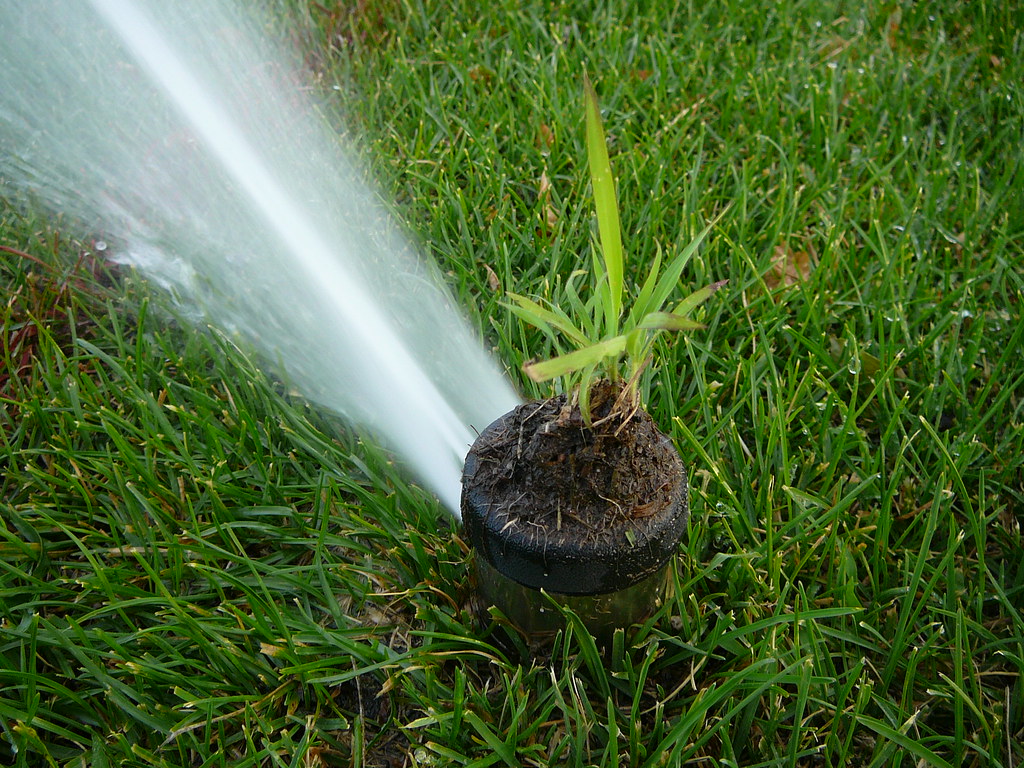 Modern irrigation is no longer based on fixed watering schedules alone. Today’s landscape professionals combine smart irrigation technology, soil analysis, drainage planning, and routine maintenance to ensure every area of a landscape receives the appropriate amount of water at the right time. By integrating irrigation into comprehensive property maintenance programs, companies like Lawn and Landscaping Pros help homeowners and commercial property managers create landscapes that remain healthy, resilient, and efficient throughout the year. Irrigation Systems and Water Management in Florida Landscaping: Optimizing Efficiency for Coastal Properties explores how professional irrigation strategies support sustainable landscaping in Florida’s coastal environment. From sprinkler optimization and drip irrigation to drainage management and seasonal inspections, integrated water management has become essential for preserving beautiful landscapes while protecting valuable water resources. The Importance of Water Management in Coastal FloridaSt. Petersburg’s subtropical climate supports lush vegetation, vibrant lawns, and year-round outdoor living. However, the same environmental conditions that encourage plant growth can also create irrigation challenges. Property owners must manage landscapes through:
Without a coordinated irrigation strategy, landscapes may experience either excessive moisture or drought stress, both of which can negatively affect plant health. Professional water management focuses on maintaining consistent soil moisture while preventing unnecessary water waste. Understanding Modern Irrigation SystemsAn irrigation system is designed to distribute water efficiently throughout a landscape while supporting the specific needs of different plants. Most modern systems include:
Each component plays a role in ensuring water is delivered accurately and efficiently. Rather than watering an entire property uniformly, professional irrigation systems divide landscapes into zones based on plant type, sun exposure, soil conditions, and watering requirements. Florida’s Climate Requires Flexible IrrigationMany people assume Florida’s frequent rainfall eliminates the need for irrigation. In reality, rainfall patterns vary considerably throughout the year. During summer, landscapes may receive significant rainfall within short periods, while winter and spring often bring extended dry spells. Even after heavy rain, sandy soils common throughout Florida may drain quickly, reducing moisture available to plant roots. Because weather conditions change rapidly, irrigation systems must remain flexible enough to adjust throughout the seasons. Soil Drainage Influences Water AvailabilityOne of the most important yet often overlooked aspects of irrigation planning is soil drainage. Florida soils frequently contain large amounts of sand, allowing water to move rapidly through the soil profile. Fast drainage offers several advantages:
However, rapid drainage can also reduce the amount of water retained for plant use. Professional irrigation design considers soil characteristics when determining watering frequency and application rates. Rather than applying large amounts of water infrequently, many systems perform better with shorter, carefully timed irrigation cycles. Landscape Hydrology Shapes Irrigation DesignLandscape hydrology refers to how water moves across and through a property. Every landscape contains areas that differ in:
Professional designers evaluate these conditions before installing irrigation systems. Water naturally flows downhill, collects in low areas, and infiltrates soil at different rates depending on site characteristics. Understanding these patterns helps irrigation professionals minimize runoff while ensuring consistent moisture distribution throughout the landscape. Sprinkler Systems Support Healthy TurfSprinkler systems remain one of the most effective methods for irrigating lawns. Properly designed sprinkler systems provide:
Different sprinkler head types serve different purposes. For example:
Professional calibration helps ensure sprinklers deliver the appropriate amount of water without overspray onto sidewalks, driveways, or buildings. Drip Irrigation Improves EfficiencyWhile sprinkler systems work well for lawns, many landscape beds benefit from drip irrigation. Drip systems deliver water directly to plant root zones through tubing and emitters. Benefits include:
Shrubs, ornamental plants, trees, and flower gardens often thrive under drip irrigation because water reaches roots slowly and efficiently. Companies like Lawn and Landscaping Pros frequently integrate drip irrigation into landscape designs to improve both water conservation and plant health. Smart Irrigation Technology Enhances Water ConservationModern irrigation systems increasingly rely on automation and environmental monitoring. Smart controllers can adjust watering schedules based on:
Rather than operating on fixed schedules, smart systems respond to actual landscape needs. This technology helps reduce unnecessary watering while supporting healthier plants. For coastal Florida properties where rainfall can change dramatically from week to week, smart irrigation provides significant operational advantages. Rain Sensors Prevent OverwateringOne of the simplest yet most effective irrigation upgrades is the installation of rain sensors. These devices temporarily suspend irrigation when sufficient rainfall has occurred. Benefits include:
Rain sensors are especially valuable during Florida’s rainy season when scheduled irrigation may otherwise continue despite frequent precipitation. Water Conservation Benefits Property OwnersEfficient irrigation offers financial and environmental advantages. Water conservation strategies help property owners:
Responsible irrigation also contributes to healthier landscapes by avoiding chronic overwatering, which can weaken root systems and encourage disease. Root System Stability Depends on Proper WateringHealthy roots anchor plants while absorbing water and nutrients. Both excessive irrigation and insufficient watering can damage root systems. Overwatering may lead to:
Underwatering may cause:
Professional irrigation programs seek to maintain balanced soil moisture that encourages deep, resilient root development. Strong root systems allow landscapes to better withstand heat, storms, and temporary drought. Seasonal Irrigation Inspections Protect System PerformanceLike any mechanical system, irrigation equipment requires regular maintenance. Routine inspections commonly include:
Small leaks or clogged nozzles can significantly reduce irrigation efficiency over time. Regular inspections help identify these issues before they become expensive repairs. Leak Prevention Saves WaterUndetected irrigation leaks often waste substantial amounts of water while damaging surrounding landscapes. Professional maintenance programs monitor for:
Prompt repairs improve system efficiency while protecting nearby plants, hardscapes, and structures from unnecessary water damage. Drainage Works Together with IrrigationSuccessful water management involves both supplying water and removing excess moisture. Drainage systems help prevent:
Professional landscape planning often integrates:
These features complement irrigation systems by directing excess rainfall safely away from buildings and planting areas. Commercial Properties Require Coordinated Water ManagementCommercial landscapes often contain large turf areas, ornamental plantings, parking lot islands, and public gathering spaces. Managing irrigation across these diverse environments requires careful planning. Commercial water management programs typically include:
Well-maintained irrigation systems contribute to attractive commercial properties while supporting operational efficiency and responsible resource use. Sustainable Landscaping Begins with Efficient IrrigationWater-efficient irrigation is a cornerstone of sustainable landscape management. Best practices include:
These strategies reduce environmental impact while helping landscapes remain healthy and resilient. Companies like Lawn and Landscaping Pros integrate these principles into comprehensive property maintenance programs that prioritize both landscape performance and long-term sustainability. Lawn and Landscaping Pros and Integrated Water ManagementCompanies like Lawn and Landscaping Pros understand that irrigation is only one component of a successful landscape ecosystem. Their integrated approach combines irrigation services with lawn care, landscape design, drainage planning, yard maintenance, and seasonal inspections to create balanced outdoor environments that adapt to Florida’s changing weather conditions. Rather than relying on fixed watering schedules, professional providers evaluate soil conditions, plant requirements, rainfall patterns, and system performance throughout the year. This proactive strategy helps prevent overwatering, supports strong root development, and promotes healthier landscapes for both residential and commercial properties. The Future of Irrigation in Coastal FloridaAdvances in irrigation technology continue to improve efficiency and environmental responsibility. Emerging trends include:
These innovations will help landscaping professionals optimize water use while maintaining beautiful outdoor spaces in increasingly dynamic environmental conditions. ConclusionIrrigation Systems and Water Management in Florida Landscaping: Optimizing Efficiency for Coastal Properties highlights the essential role that professional irrigation plays in maintaining healthy landscapes throughout Florida’s unique coastal climate. Balancing periods of heavy rainfall with seasonal dry conditions requires more than traditional sprinkler systems it demands integrated water management strategies built on efficient technology, soil awareness, drainage planning, and preventive maintenance. Companies like Lawn and Landscaping Pros demonstrate how comprehensive irrigation services can support thriving residential and commercial landscapes while conserving water and protecting long-term property investments. Through smart irrigation timers, drip irrigation, seasonal inspections, leak prevention, and coordinated landscape management, property owners can create outdoor environments that remain vibrant, resilient, and sustainable despite the challenges of Florida’s coastal environment. |
|