Sustainable Lawn Care and Gardening Practices in St. Petersburg: Building Healthy Urban Green Spaces
July 20, 2026|
Urban landscapes play an essential role in enhancing the quality of life in cities. Parks, residential lawns, community gardens, commercial landscapes, and tree-lined streets provide more than visual appeal they help improve air quality, moderate temperatures, support wildlife, manage stormwater, and create inviting spaces where people can connect with nature. In a coastal city like St. Petersburg, Florida, maintaining these green spaces requires thoughtful planning that balances environmental stewardship with practical landscape management. 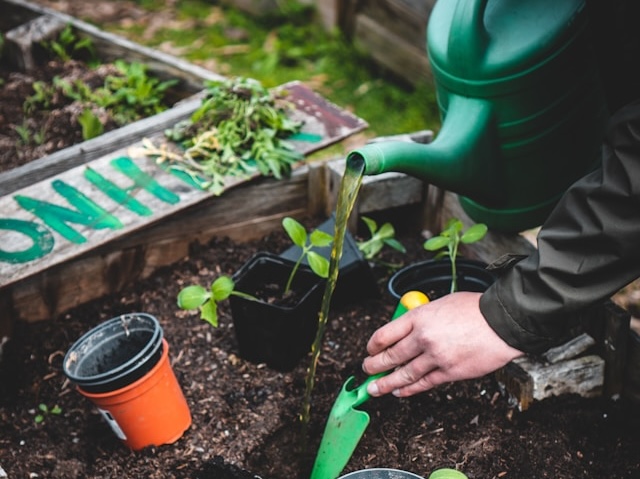 Traditional landscaping practices often relied heavily on frequent watering, synthetic fertilizers, and extensive chemical treatments. Today, however, homeowners, businesses, and municipalities are increasingly embracing sustainable landscaping techniques that protect natural resources while maintaining beautiful, healthy outdoor environments. By focusing on soil health, native plants, biodiversity, and responsible lawn care, sustainable landscaping creates resilient landscapes that thrive within Florida’s unique climate. Sustainable Lawn Care and Gardening Practices in St. Petersburg: Building Healthy Urban Green Spaces explores how environmentally responsible landscape management benefits residential and commercial properties while contributing to healthier urban ecosystems. Companies like Lawn and Landscaping Pros support these efforts by integrating sustainable lawn care, soil improvement, native plant selection, and eco-friendly gardening practices into comprehensive landscape maintenance programs. Understanding Sustainable LandscapingSustainable landscaping is the practice of designing, installing, and maintaining outdoor spaces in ways that conserve natural resources while supporting long-term ecological health. Rather than focusing only on appearance, sustainable landscaping considers the relationship between plants, soil, water, wildlife, and the surrounding environment. A sustainable landscape typically emphasizes:
These principles create landscapes that require fewer inputs while remaining attractive and functional throughout the year. Why Sustainability Matters in St. PetersburgSt. Petersburg’s subtropical climate provides ideal growing conditions for a wide variety of trees, shrubs, flowering plants, and turfgrass. However, the region also experiences high humidity, seasonal heavy rainfall, occasional drought periods, tropical storms, and salt exposure near coastal areas. These environmental factors influence how landscapes should be managed. Sustainable lawn care helps property owners respond to these conditions by encouraging stronger plant health, improving water efficiency, and reducing unnecessary chemical use. As urban development continues throughout the region, sustainable landscaping also helps preserve valuable green spaces that contribute to environmental quality and community well-being. Healthy Soil Is the Foundation of Lawn CareEvery successful lawn begins with healthy soil. Although grass receives much of the attention, the condition of the soil largely determines how effectively turf can absorb nutrients, retain moisture, and develop strong root systems. Healthy soil provides:
Professional lawn care programs often begin by evaluating soil conditions before recommending fertilization, irrigation adjustments, or other treatments. Companies like Lawn and Landscaping Pros recognize that long-term lawn health depends on maintaining healthy soil rather than simply improving the lawn’s appearance. Soil Nutrient Balance Supports Healthy TurfGrass continuously uses nutrients as it grows. Without proper nutrient replacement, lawns may gradually lose vigor, become more susceptible to weeds, or struggle during periods of environmental stress. Balanced soil nutrition typically includes:
Rather than applying fertilizer indiscriminately, sustainable lawn care focuses on supplying nutrients according to actual landscape needs. Maintaining nutrient balance helps lawns remain healthy while minimizing unnecessary runoff into surrounding waterways. Composting Improves Soil NaturallyOrganic compost is one of the most effective tools for improving soil health. Compost contributes valuable organic matter that enhances:
Instead of sending grass clippings, leaves, and plant debris to landfills, many sustainable landscaping programs recycle these materials into beneficial compost that can be returned to planting beds and gardens. This natural cycle reduces waste while improving long-term soil fertility. Reducing Chemical Fertilizer DependencySynthetic fertilizers can provide rapid plant growth, but excessive or unnecessary applications may increase nutrient runoff and place stress on surrounding ecosystems. Sustainable lawn care seeks to reduce chemical dependency through strategies such as:
When fertilizers are needed, applying the right product at the appropriate time helps maximize plant uptake while minimizing environmental impact. This balanced approach supports healthy lawns without relying on excessive chemical inputs. Native Florida Plants Strengthen Sustainable LandscapesNative plants have evolved to thrive within Florida’s climate, soils, and weather conditions. Because they are naturally adapted to local environments, they generally require less irrigation, fewer fertilizers, and lower maintenance than many non-native species. Popular native Florida plants include:
Integrating native plants into residential and commercial landscapes creates attractive outdoor environments while improving ecological resilience. Gardening Supports Urban BiodiversityGardens contribute much more than visual beauty. Diverse plant communities support:
Urban biodiversity becomes increasingly important as cities continue to grow. By incorporating flowering native plants, layered vegetation, and seasonal blooms, sustainable gardens provide valuable habitat while enriching neighborhood landscapes. Healthy biodiversity also contributes to more balanced ecosystems that naturally regulate many common garden pests. Pollinator-Friendly Landscaping Benefits the CommunityPollinators play an essential role in plant reproduction and food production. Creating pollinator-friendly gardens involves selecting plants that provide nectar and pollen throughout different seasons. Common pollinator-supporting practices include:
These gardens support local ecosystems while adding color and seasonal interest to residential and commercial landscapes. Responsible Lawn Care Protects Water QualityFlorida’s abundant waterways are among its most valuable natural resources. Improper lawn care practices can contribute to nutrient runoff that eventually reaches lakes, rivers, bays, and coastal environments. Sustainable lawn care helps protect water quality through:
Maintaining healthy landscapes while minimizing runoff benefits both individual properties and the surrounding community. Efficient Irrigation Conserves ResourcesAlthough St. Petersburg receives substantial rainfall, irrigation remains important during dry periods. Sustainable irrigation practices include:
Applying water only when necessary encourages stronger root development while reducing unnecessary consumption. Efficient irrigation also supports healthier lawns by preventing chronic overwatering. Organic Soil Treatments Encourage Long-Term HealthOrganic soil treatments improve growing conditions while supporting natural biological processes. Examples include:
These materials gradually improve soil quality while encouraging beneficial microbial activity. Healthier soils often produce stronger plants that are naturally more resilient to drought, disease, and environmental stress. Sustainable Gardening Reduces MaintenanceContrary to common misconceptions, environmentally responsible landscaping does not necessarily require more work. Properly designed sustainable landscapes often reduce maintenance by incorporating:
As landscapes become established, they typically require less supplemental watering, fewer fertilizer applications, and reduced replacement planting. Urban Green Spaces Improve Community Well-BeingHealthy landscapes contribute significantly to urban environments. Green spaces help:
Residential gardens, commercial landscapes, parks, and streetscapes all contribute to healthier communities. Sustainable landscaping ensures these benefits continue while minimizing environmental impacts. Lawn and Landscaping Pros and Sustainable Landscape ManagementCompanies like Lawn and Landscaping Pros demonstrate how professional landscape maintenance can support environmental responsibility without compromising appearance or functionality. By integrating sustainable lawn care practices, soil health management, responsible fertilization, efficient irrigation, and native plant selection into routine maintenance programs, they help residential and commercial clients create landscapes that are both attractive and resilient. Their comprehensive approach recognizes that healthy landscapes depend on balanced ecosystems rather than isolated treatments. Through regular lawn maintenance, gardening support, compost-friendly practices, and environmentally conscious landscape planning, full-service providers contribute to healthier urban green spaces throughout St. Petersburg. The Future of Sustainable LandscapingAs communities place greater emphasis on environmental stewardship, sustainable landscaping continues to evolve. Emerging trends include:
These innovations help property owners create beautiful landscapes that perform well while protecting Florida’s natural resources. Best Practices for Sustainable Lawn Care and GardeningSuccessful sustainable landscapes are built on consistent, science-based management practices. Key recommendations include:
These practices create landscapes that remain attractive while supporting long-term environmental sustainability. ConclusionSustainable Lawn Care and Gardening Practices in St. Petersburg: Building Healthy Urban Green Spaces demonstrates that environmentally responsible landscaping is both practical and beneficial for residential and commercial properties. By focusing on soil health, balanced nutrient management, native Florida plants, efficient irrigation, composting, and biodiversity, sustainable landscape practices create outdoor environments that are healthier, more resilient, and better adapted to Florida’s coastal climate. Companies like Lawn and Landscaping Pros help property owners embrace these principles through integrated lawn care and gardening services that prioritize long-term landscape health over short-term cosmetic improvements. As St. Petersburg continues to grow, sustainable landscaping will play an increasingly important role in preserving urban green spaces, protecting natural resources, enhancing property value, and creating vibrant communities that benefit both people and the environment. |
|